
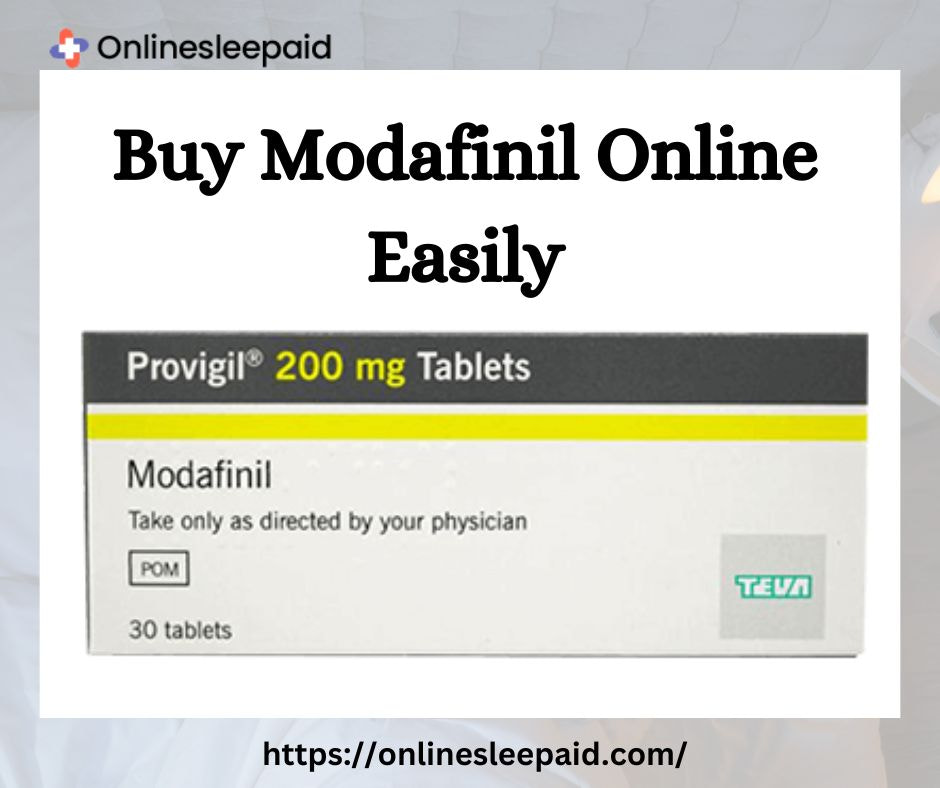
Modafinil, a wakefulness-promoting agent, has garnered significant attention in recent years, particularly among students, professionals, and individuals seeking cognitive enhancement. This observational research article explores the landscape of modafinil purchase in the United Kingdom, examining the motivations behind its use, the methods of acquisition, and the implications of its accessibility.
Understanding Modafinil
Modafinil is primarily prescribed for the treatment of narcolepsy and other sleep disorders. However, its off-label use has surged, particularly among those looking to improve focus, productivity, and cognitive function. The drug’s appeal lies in its ability to enhance wakefulness without the jitteriness often associated with traditional stimulants like caffeine or amphetamines. This has led to an increase in demand among various demographics, especially students and professionals in high-pressure environments.
Motivations for Use
The motivations for purchasing modafinil in the UK are diverse. Many students report using the drug during exam periods to enhance concentration and extend study hours. A survey conducted among university students revealed that approximately 30% had considered using cognitive enhancers, with modafinil being one of the most popular choices. The pressure to perform academically, coupled with the increasing competitiveness of higher education, drives many to seek pharmacological assistance.
Professionals in high-stress jobs also turn to modafinil as a means to boost productivity. In industries where long hours and tight deadlines are the norm, the allure of a drug that promises increased focus and reduced fatigue is compelling. Interviews with professionals indicate that modafinil is often viewed as a “smart drug” that can provide a competitive edge in the workplace.
Methods of Acquisition
In the UK, modafinil is classified as a prescription-only medication. This classification means that individuals must obtain a prescription from a licensed medical professional to purchase the drug legally. However, the rise of online pharmacies and the grey market has made it increasingly easy for individuals to acquire modafinil without a prescription.
Observational data show that many individuals turn to online platforms, often purchasing modafinil from international suppliers. These suppliers may operate outside the stringent regulations that govern pharmaceutical sales in the UK, leading to concerns about the quality and safety of the products being sold. A significant portion of users reported purchasing modafinil from websites that advertise discreet delivery and competitive pricing, often without any requirement for a prescription.
Additionally, some individuals resort to purchasing modafinil from peers or through informal networks. This method, while potentially more accessible, raises questions about the legality and ethical implications of sharing prescription medications. The lack of regulation in these transactions can lead to issues regarding dosage, purity, and potential side effects.
Legal and Ethical Considerations
The purchase and use of modafinil in the UK raise important legal and ethical questions. While the drug is legal when obtained through a prescription, the widespread availability of online pharmacies complicates the issue. The UK government has expressed concerns about the risks associated with self-medication and the potential for misuse. The lack of oversight in online transactions raises significant public health concerns, particularly regarding the safety and efficacy of the drugs being sold.
Furthermore, the ethical implications of using cognitive enhancers like modafinil are hotly debated. Critics argue that the use of such drugs contributes to an uneven playing field, particularly in academic and professional settings. If you enjoyed this article and you would like to get additional information pertaining to buy modafinil online reviews kindly visit our site. The pressure to perform can lead individuals to feel that they must resort to pharmacological enhancements to keep up with their peers, potentially fostering a culture of dependency on such substances.
Health Risks and Side Effects
Despite its perceived benefits, modafinil is not without risks. While generally considered safe for short-term use, potential side effects include headaches, nausea, anxiety, and insomnia. There are also concerns about the long-term effects of using modafinil, particularly among healthy individuals who may not require the drug for medical reasons.
Observational studies and anecdotal reports suggest that some users may experience an increase in anxiety or dependence on the drug, particularly when used in high-stress environments. The potential for misuse and the normalization of cognitive enhancement through pharmacological means raises questions about the long-term implications for mental health and well-being.
The Future of Modafinil in the UK
As the demand for cognitive enhancers continues to grow, the future of modafinil in the UK remains uncertain. Regulatory bodies may need to revisit the classification of modafinil and consider stricter regulations on online pharmacies to ensure the safety of consumers. Public health campaigns aimed at educating individuals about the risks associated with unsupervised use of prescription medications may also be necessary.
The conversation surrounding cognitive enhancement and the use of drugs like modafinil is likely to evolve as societal attitudes shift. As more individuals turn to pharmacological solutions for productivity and performance, the implications for mental health, ethics, and public policy will need to be carefully considered.
Conclusion
The purchase of modafinil in the UK reflects a complex interplay of motivations, methods, and implications. While the drug offers potential benefits for those seeking to enhance cognitive function, it also raises significant legal, ethical, and health-related concerns. As the landscape of cognitive enhancement continues to change, ongoing research and dialogue will be essential in navigating the challenges and opportunities presented by substances like modafinil. The need for responsible use, informed decision-making, and regulatory oversight will be paramount in ensuring that individuals can access the benefits of cognitive enhancers while minimizing the associated risks.